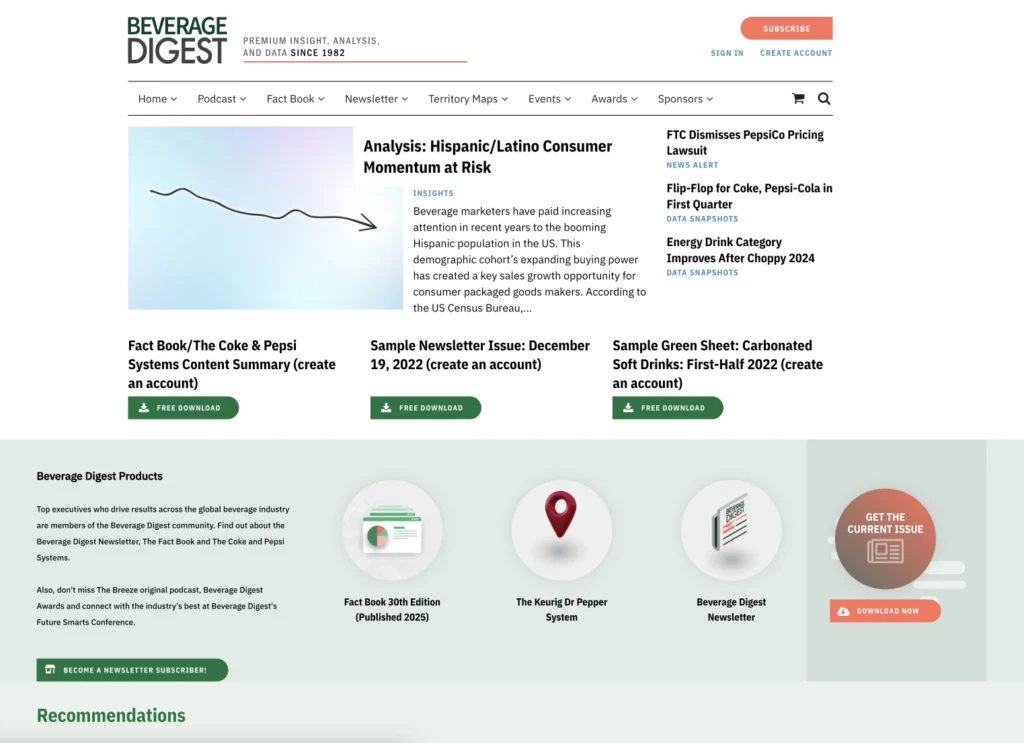

In last week’s post, we talked about the importance of diversifying your revenue model and offered a high level checklist to get you thinking in that direction. Today, we want to hone in on two key, intertwined components: multiple revenue streams and eCommerce.
Ideally, a website with built-in eCommerce not only keeps customers on your site, but helps them tap into the multiple revenue streams that you offer. But, eCommerce isn’t as simple as listing the things you have for sale and setting up a pay mechanism.
1) First and foremost, you want to give the customer confidence in the online purchasing process. Make sure you are PCI Compliant. This is the industry-wide standard for security.
2) Use a Secure Shopping Cart that demonstrates privacy protection and provides clear and direct access to your security policies.
3) Use a SaaS CMS that has robust site infrastructure, to ensure speed, flexibility, scalability and deeper reliability.
4) Streamline the shopping process by providing auto-fill registration windows and simple, straightforward direction.
5) Utilize a taxonomy tool that allows you to tag related products and content that might lead shoppers to buy more.
With solid eCommerce mechanisms in place, diversifying your revenue model becomes more a matter matching creativity with a dynamic content management platform. How can you make money outside of traditional advertising? To start, ePublishing CEO, Thomas Chaffee, talks about leveraging three revenue models and embracing the Average Revenue Per Reader (ARPR) metric in Leveraging Content in eCommerce.
Successful online publications apply those principals and pursue numerous revenue streams including offering:
- Gated and premium content in addition to free content, along with subscriptions, which can include blog feeds, email alerts and newsletters, and weekly features.
- Memberships.
- Product and book reviews.
- Content-related products like ebooks, training, reports, multimedia and branded merchandise.
- Events, workshops, webinars, conferences.
- Buyer’s guides and directories.
- Unique advertising, sponsorship opportunities and lead generation that links professionals directly to readers.
One particularly effective example of utilizing user generated content for alternate revenue is the Buyer’s Guide. Not only can a strong Buyer’s Guide draw on a deep archive of resources – articles, video, downloads, product listings, ads – it also can give the advertiser control over a company microsite. Advertisers pay for a listing via a secure shopping cart, and then create and manage their premium company listings by uploading content through easy to use forms. Analytics and a built-in User Management System deliver leads and other data on user behavior. You can read more about it in our Microwave Journal Client Success Story.
There is no question that successful online publishing requires multiple revenue streams. To see other publishing models that are making money, visit our Resource Center, or contact us at info@ePublishing.com.